accompanied in the volume I received by the short story Johnny Hollowback And The Witch, which I actually preferred.
 Which isn’t to say that the main novella here is at all bad! I very much preferred it to the last thing of hers I read, the wildly overrated This Is How You Lose The Time War. But it shared the exact same flaw that the earlier novella did, and which I’ll get into at length after a brief synopsis.
Esther and Ysabel are the youngest members of the Hawthorn clan, a family that has faithfully tended the Professors and the area around them for centuries. The Professors are a pair of intertwined willows on the banks of the River Liss, and pretty much mark the end of regular human lands in the area. Beyond the Professors are the Modal Lands, the border between reality and Faerie. As the Liss flows from Faerie, magic comes with it, growing into the willows that the Hawthorns tend and harvest, in exchange for songs at dusk and dawn.
It is song that captivates Rin, a creature from Faerie who falls in love with Esther. Esther loves them back, but not as strongly as she loves her little sister Ysabel. When Esther is murdered in the Liss, she risks everything to find a way to tell her sister what happened and to bring her murderer to justice.
The bond between the sisters is incredible and touching, even for someone like myself who has a fraught relationship with her own younger sister. I believed the strength of Esther’s love and determination, as it’s modeled after Amal El-Mohtar’s own devotion to her sister Dounya. I also loved how the author wove in parts of her own upbringing in Lebanon, as she details in her thoughtful afterword. The plot of the novella was overall super satisfying, enough for me to ignore the odd leap in logic over the plot holes.
Trouble is, the entire story rests on half-explained world building that feels flimsier the more you look into it. Which ordinarily I’d be happy enough to handwave, except for the continuing impression I get of the author expecting you to be so dazzled at the ideas presented that you don’t! shouldn’t! mustn’t! look past the curtain and ask about the logic behind it… just as in TIHYLTTW. The world and especially the magic system in The River Has Roots feels like it was built entirely to suit the story, making it feel oddly hollow. There’s never any suspense, hardly any surprises, because it’s so obvious that the author is bending everything in the story towards getting her message across. Fortunately, I’m down with the idea of women getting happily ever afters, no matter how different from what they’d originally envisioned, and of sisters prioritizing each other. What I didn’t like was the pervasive attitude of “if you were smart, you’d understand” in re: the magic system, which only works if said magic system is actually clever instead of just underexplained, probably due to being altogether half-baked to begin with.
As with TIHYLTTW, the feelings are great! The worldbuilding, however, is so slight as to be injurious, compounded with the insult of a supercilious tone used towards the reader when referencing the magic system. You might be able to con some readers into papering over the holes in your logic for you, but the more widely-read see through this use of coping mechanism in lieu of technique and are, at best, disappointed.
Interestingly, I found none of this flaw in JWatW, perhaps because it is so short as to require little more than a cursory fairytale background that took nothing away from the exploration of the characters’ experiences and sensibilities. I very much want to read more of Ms El-Mohtar’s work, and hope that the short story is more indicative of her growth as a writer than TRHR.
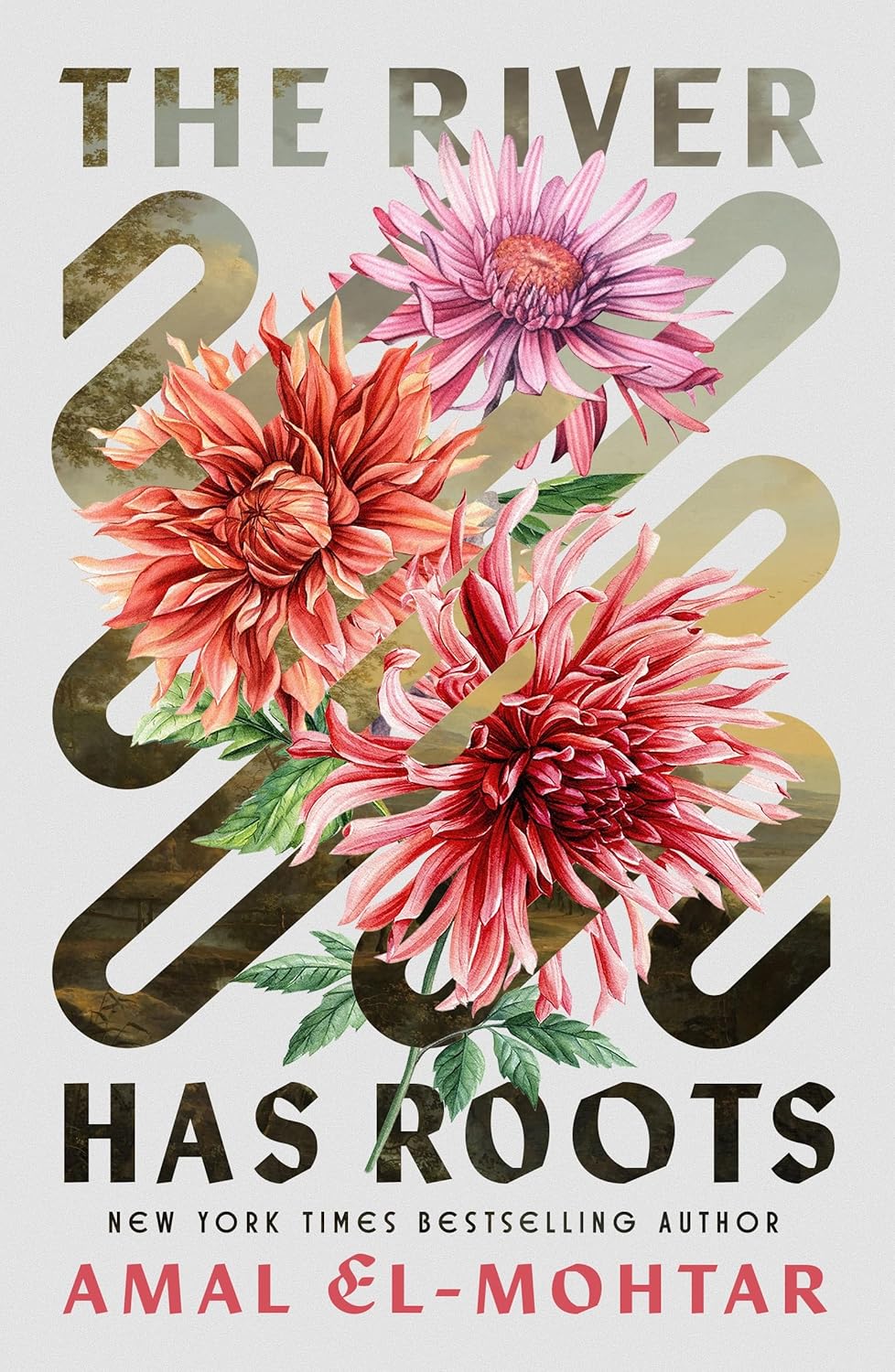
The River Has Roots by Amal El-Mohtar was published March 4 2025 by Tordotcom and is available from all good booksellers, including

 Al Singh
 Doug Merrill
 Doreen Sheridan
 Emily Lauer
 John Pitzel
 Lars N. Goldschlager
 Laura Eilers
 Professor X
 Robert Maedgen
 Sylvere Ap Leanan
 The Shire
1 ping
[…] not the biggest fan of Amal El-Mohtar‘s work, but I’m not surprised that she won Best Novella either: she’s very popular and that’s fine. I was surprised that Isabel J Kim’s […]