Hello, dear readers! It is midway through August and publishers are already pivoting hard to horror, as is tradition. Tho I gotta tell you, the pivot does feel a little more comforting than usual this year, given the state of the world and the ways in which horror stories are oftentimes just how the mind tries to cope with crimes so grotesque as to seem unsolvable.
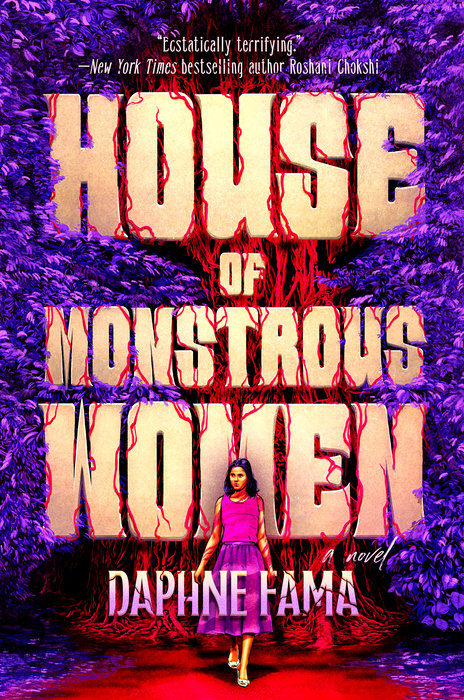
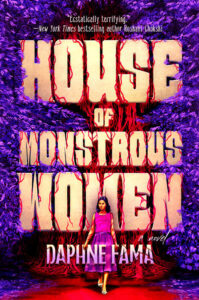 Thus we have some great horror and mystery novels to highlight for you this week, beginning with Daphne Fama’s electrifying horror debut, House Of Monstrous Women. Infused with a dose of rich Filipino folklore inspired by the author’s own upbringing in a Filipino community in the American South, HoMW blends the childhood stories she learned from her mother with interviews from Carigara elders and folk practitioners of both healing and cursing.
Our heroine Josephine lives alone, orphaned after her father’s political campaign ends in unimaginable tragedy. Her older brother is in Manila, where a revolution brews. The country is in turmoil, and so is Josephine’s life. As Josephine begins to feel even more hopeless and uncertain, an unusual invitation arrives from her estranged childhood friend, Hiraya Ranoco: Why don’t you come visit, and we can play games like we used to?
Josephine left Hiraya in the past for a reason: she is rumored to come from a family of shapeshifting witches, or aswang, who live in a maze-like manor perched beside a treacherous sea. But there’s something about Hiraya that Josephine has never been able to resist.
When Josephine arrives at the eerie old house, she discovers that her brother has also been summoned and that a perilous game is afoot. The winner will earn all their heart’s desires. For Josephine, who has lost everything, this is a tantalizing proposition. But there is something menacing about this invitation…and it’s clear that Josephine and her brother do not know the entire truth about why they are here. As the Philippines descends into chaos outside the manor’s walls, danger is lurking around every corner on the inside as well. And if Josephine isn’t careful, she’ll find that change is sometimes bought with blood.
Continue reading
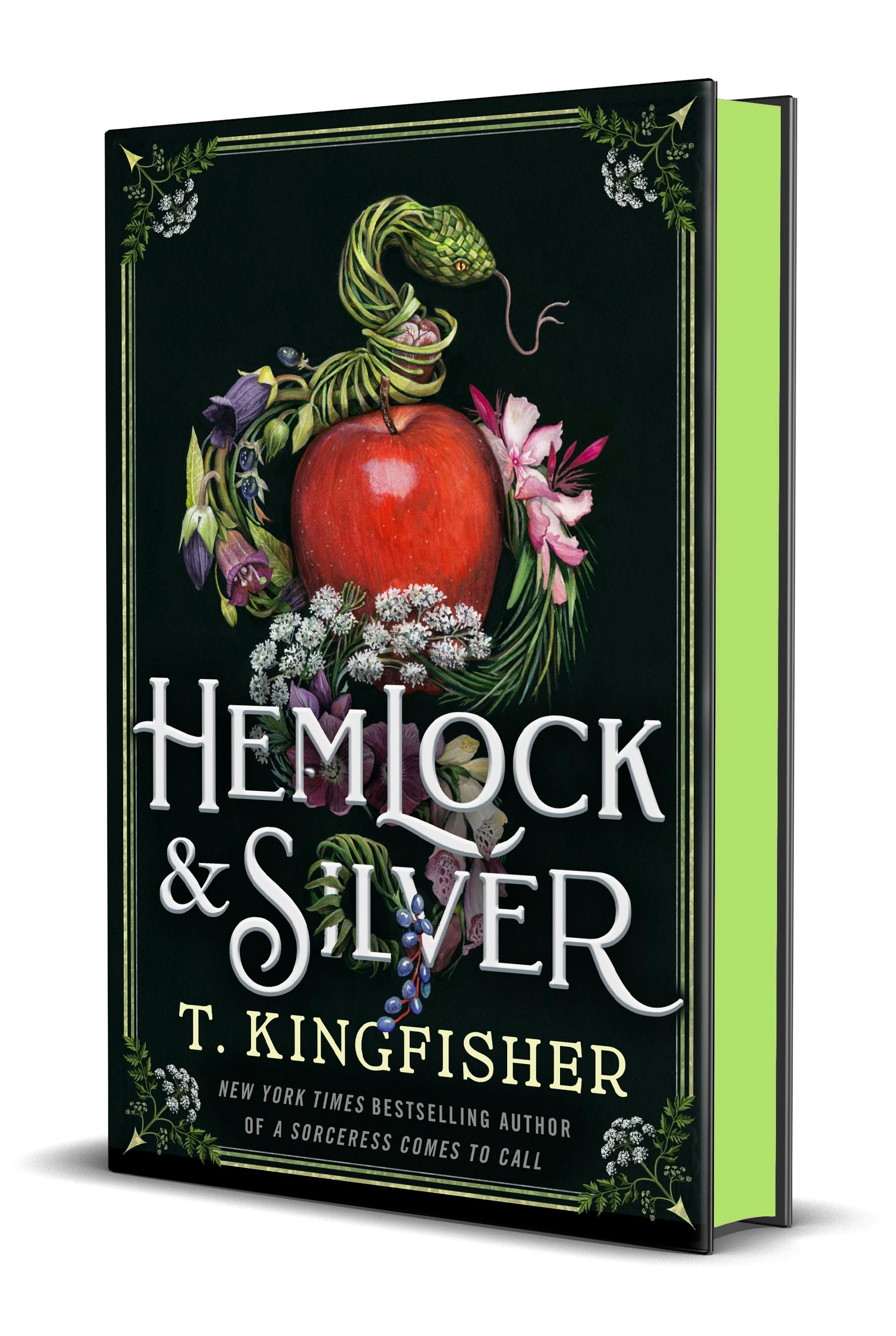 Hemlock and Silver by T. Kingfisher comes out this week, August 19th! As always with T. Kingfisher’s prolific work, Hemlock and Silver is both creepy and kind, thought-provoking and comforting. It’s a must-read for any of T. Kingfisher’s existing fans and a fabulous first T. Kingfisher book for those who have not yet read her.




 Al Singh
 Doug Merrill
 Doreen Sheridan
 Emily Lauer
 John Pitzel
 Lars N. Goldschlager
 Laura Eilers
 Professor X
 Robert Maedgen
 Sylvere Ap Leanan
 The Shire