 This is Part 2 of 3! Part 1 is here.
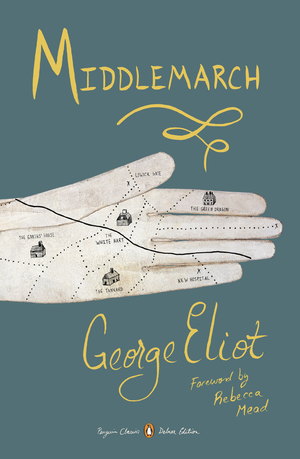
Reminder: Earlier this year I read Middlemarch by George Eliot as a readalong with a thoughtful and fun group organized by my smart friend Marjorie. While it is definitely a masterpiece of a novel and I loved our group’s discussions generally, it turns out I have a ridiculous problem: I cannot help but see the various marriage plots in Middlemarch as anachronistic allegories for the contemporary academic job market.
Could George Eliot have intended this? No. Could I maybe get off my bullshit and just get over it? Apparently also no.
Part 2: Dorothea
In Part 1 of this essay, I started with Rosamond, but Eliot starts Middlemarch with Dorothea, and she presents the two characters in juxtaposition in many ways. They are both extremely beautiful, but Dorothea is the antithesis of flashy.
Wealthy and studious, she has her pick of marriage institutions. To many people’s surprise, she does not accept her obvious suitor, the friendly and wealthy local landowner who has been courting her respectfully, but rather seeks out Mr. Casaubon, an elderly reclusive scholar. Her family, friends and well-wishers are not only surprised, but attempt to dissuade her from this decision. But Dorothea wants to join Mr. Casaubon in matrimony, with visions of herself as his beloved scholarly partner (or at least helpmeet).
Dorothea chooses to take a job with an old established prestigious Tier 1 research institution only to find that her contribution is not valued as she thought it would be, at Casaubon U. Sure, the teaching load is low, but the anxiety and the pressure to conform to a rigidly defined role are very high. She is treated like a drudge.
Though she is on the opposite end of the flashiness scale, Dorothea is like Rosamond in that she made her choice based on an idea of what her employment would be like at her chosen institution, and in neither case was this prediction accurate or even particularly likely from the first. They both gamble on reputation rather than taking the advice of their various families and well-wishers, and neither turns out the way they would have hoped.
Dorothea’s initial dreams of personal and academic growth, and of being appreciated, do not come to fruition while married to Mr. Casaubon. However, she is widely liked in the region and generally acknowledged as too good for her institution.
When Casaubon dies she effectively becomes the institution she has served. She inherits his consequence and she already had wealth of her own: she’s the president of the university now. That means she is finally in the position to make additional hiring decisions.
Casaubon’s will stipulated some specific actions on her part to keep the money she inherited from him, but as a widow with her own money, Dorothea can still marry whom she wishes. She is able to establish a new marital situation that will be fulfilling for both herself and her future spouse. Her marriage market story has a happy ending that involves unhappily but faithfully waiting out a bad decision while she rises to a decision-making role. It is the academic long game.
Part 3: Celia and Mary is coming next week!

 Al Singh
 Doug Merrill
 Doreen Sheridan
 Emily Lauer
 John Pitzel
 Lars N. Goldschlager
 Laura Eilers
 Professor X
 Robert Maedgen
 Sylvere Ap Leanan
 The Shire