One of the problems with putting a long-running webtoon into graphic novel form is that it can be hard sometimes to figure out what makes a good stopping point. And that’s pretty much my only criticism of this (now complete) paranormal romance story, as two haunted people discover that they’re sharing an apartment with something unexpectedly otherworldly.
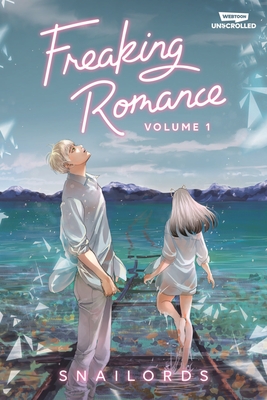 The book starts with Zylith, a young woman whose controlling parents refuse to let her pursue her dream of becoming an artist. She saves up enough money to move away, but the only place she can afford in the city is a furnished apartment that her landlady warns her is haunted enough to drive out numerous other renters. Zylith is desperate enough to say yes, so moves in with her cat Mr Purrfect and the support of her best friend Vera. Vera, alas, studies in a university three hours away, but is always on call for steadfast friendship.
When the promised ghost does appear, Zylith is nonplussed. The ghost, whom she learns goes by the name Zelan, isn’t scary at all, but appears in the form a handsome young man just a little older than her. As he moves through his haunting seemingly unaware of her presence, she discovers that he’s a popular singer (that she’s never heard of) and that his mother is in the hospital. Also, for some weird reason, he can see and interact with her cat, but whenever Zylith herself tries to touch him, he disappears into fragments of crystallized light.
Despite herself, young, romantic Zylith finds herself catching feelings for Zelan, even as her innate sense of humor has her making fun of the absurdity of her own situation. But when her parents track her down and her father has a final ultimatum for her, will even her phantom love be able to save her from the heartbreak of knowing that your parents don’t see you as a person but a pawn?



 Al Singh
 Doug Merrill
 Doreen Sheridan
 Emily Lauer
 John Pitzel
 Lars N. Goldschlager
 Laura Eilers
 Professor X
 Robert Maedgen
 Sylvere Ap Leanan
 The Shire