It’s a John Le Carré book, so you know that someone is going to get screwed in the end. In his Cold War books, which were on the whole more subtle in their plotting if not as deft in their characterization, it wasn’t always possible to tell who was doing just what to whom, because the characters themselves did not know for sure, and the looking-glass effect was one of his points about the superpower confrontation. I remember that Le Carré endings would unfold in my mind for hours, or sometimes days, as I turned events around and around, each flip revealing more possible layers of deception and intent. A Most Wanted Man is not like that.
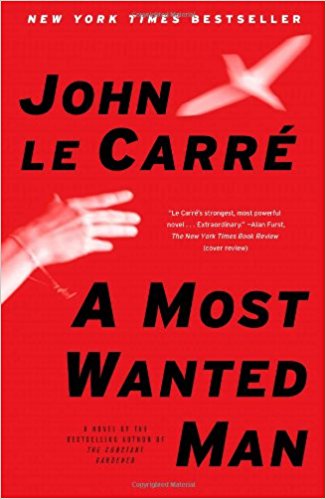
The ending, when it comes, is hard and brutal, upending the carefully balanced forces Le Carré has spent the book detailing. It’s his comment on how the shadowy worlds of espionage, private banking, and the fight against Islamist-inspired terrorism worked in the middle part of this century’s first decade, when he was writing this book. There are subtle planners, updated versions of his Cold War subjects who were often skilled improvisers (both bankers and spies in this book observe that one of the few true constants of dealing with clients is the cock-up), and then there are people who don’t care about any of that and just want to blow things up. That last group, when they come from the US government, have the power to do nearly anything, though they seem to have neither the will nor the wit to do anything except smash and grab.
Parts of this book — most of its scenes, in fact — are very good indeed. His portrait of the banker Tommy Brue is idealized but melancholy, a representative (he thinks) of a world that has passed, enjoying one last tilt to redeem both his personal choices and the sins of his father. On the other hand, he falls for the much younger woman (though she is no naif, at 35) who starts as an adversary. On the other other hand, Brue the character knows that his interest is terribly cliché. On the other other other, Le Carré still lets it happen in his book. Brue also stands in for waning British power in a world order that has long since passed the main action to other players. The Brits are still subtler and cleverer, and willing to do more or less the right thing. Le Carré hasn’t changed in that regard.
Annabel Richter rings true as a committed German lawyer who acts as an advocate for people in irregular immigration situations in Germany. I’ve met her type in various guises during the nearly two decades I have lived in Germany, and Le Carré sketches this character very well, complete with the personal dynamics within the non-profit where she works, and the mix of competitiveness with a complex relationship toward the privilege of her family background. She’s also a step ahead of Brue in recognizing that he will fall for her, and not above using that for her goals.


 Al Singh
 Doug Merrill
 Doreen Sheridan
 Emily Lauer
 John Pitzel
 Lars N. Goldschlager
 Laura Eilers
 Professor X
 Robert Maedgen
 Sylvere Ap Leanan
 The Shire