
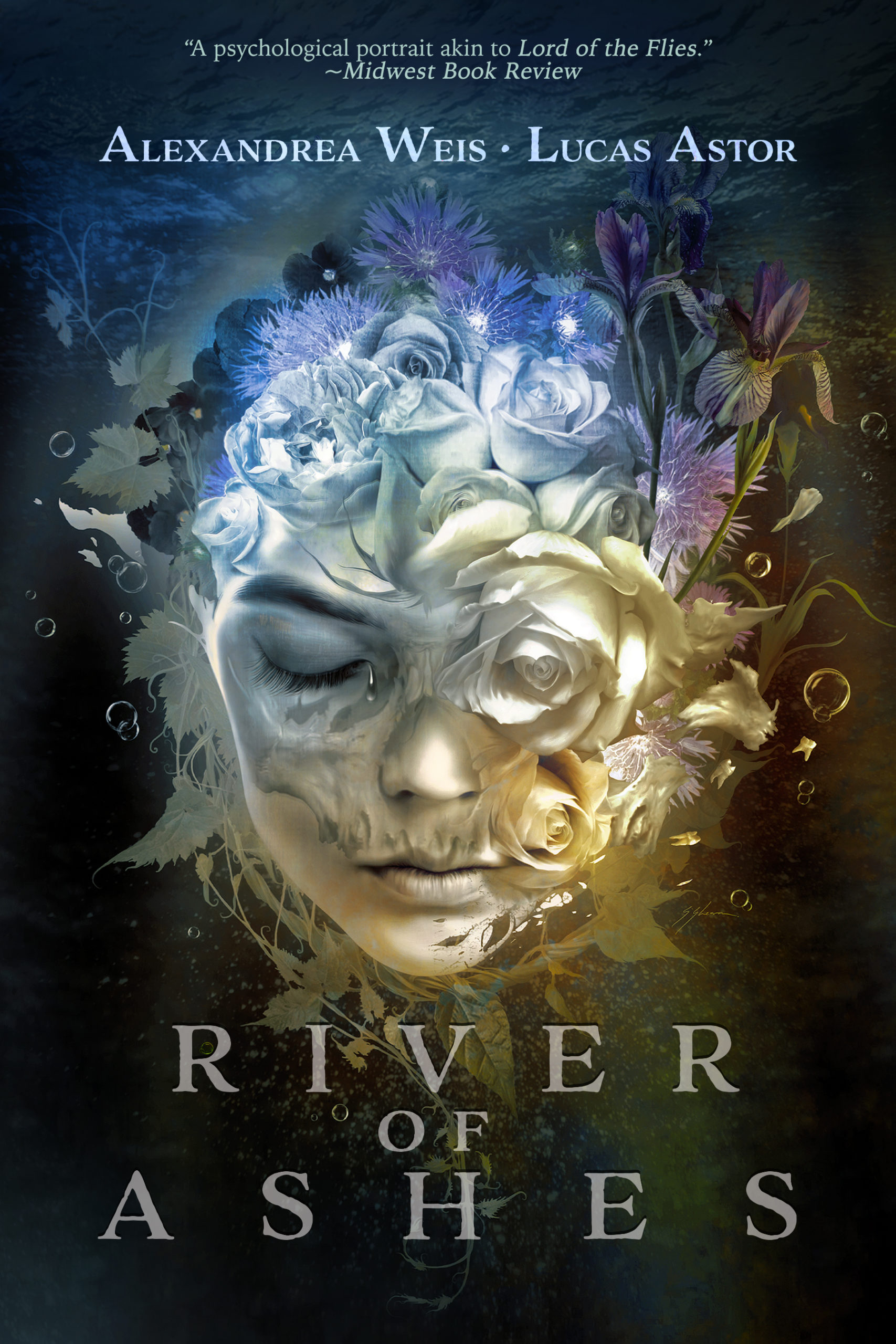
Oh man, I absolutely loved this bananas sequel to River Of Ashes! A large part of this is probably due to the fact that we don’t have to live in the viewpoint of a psychopath, as we did in this novel’s precursor, but instead experience events from the perspectives of people struggling to come to terms with the terrible deaths that have only recently befallen their town.
 ***SPOILERS FOR RIVER OF ASHES BELOW***
As the book opens, Leslie is still grappling with the senseless murder of her sister Dawn, and the steps she herself took to avenge her fallen twin. In her guilt, she’s dumped her boyfriend Derek out of fear that he’ll figure out what she did and revile her. Her closest friends now are three other victims of the monstrous Beau Devereaux: Kelly, Sara and Taylor. All four of them have been paid off by Gage Devereaux, the town patriarch, to keep quiet about what happened, a bargain they’re happy enough to stomach now that Beau is gone.
But the dead of St Benedict refuse to stay buried. When yet another corpse is found on the banks of the Bogue Falaya river on which their Louisiana town stands, the residents can’t help but wonder if they are indeed cursed. The skeleton has lain hidden for around twenty-five years tho, so Leslie figures that this crime, at least, has nothing to do with her.



 Al Singh
 Doug Merrill
 Doreen Sheridan
 Emily Lauer
 John Pitzel
 Lars N. Goldschlager
 Laura Eilers
 Professor X
 Robert Maedgen
 Sylvere Ap Leanan
 The Shire