with illustrations by Keenon Ferrell and Mark Buckingham (yes, THAT Mark Buckingham!)
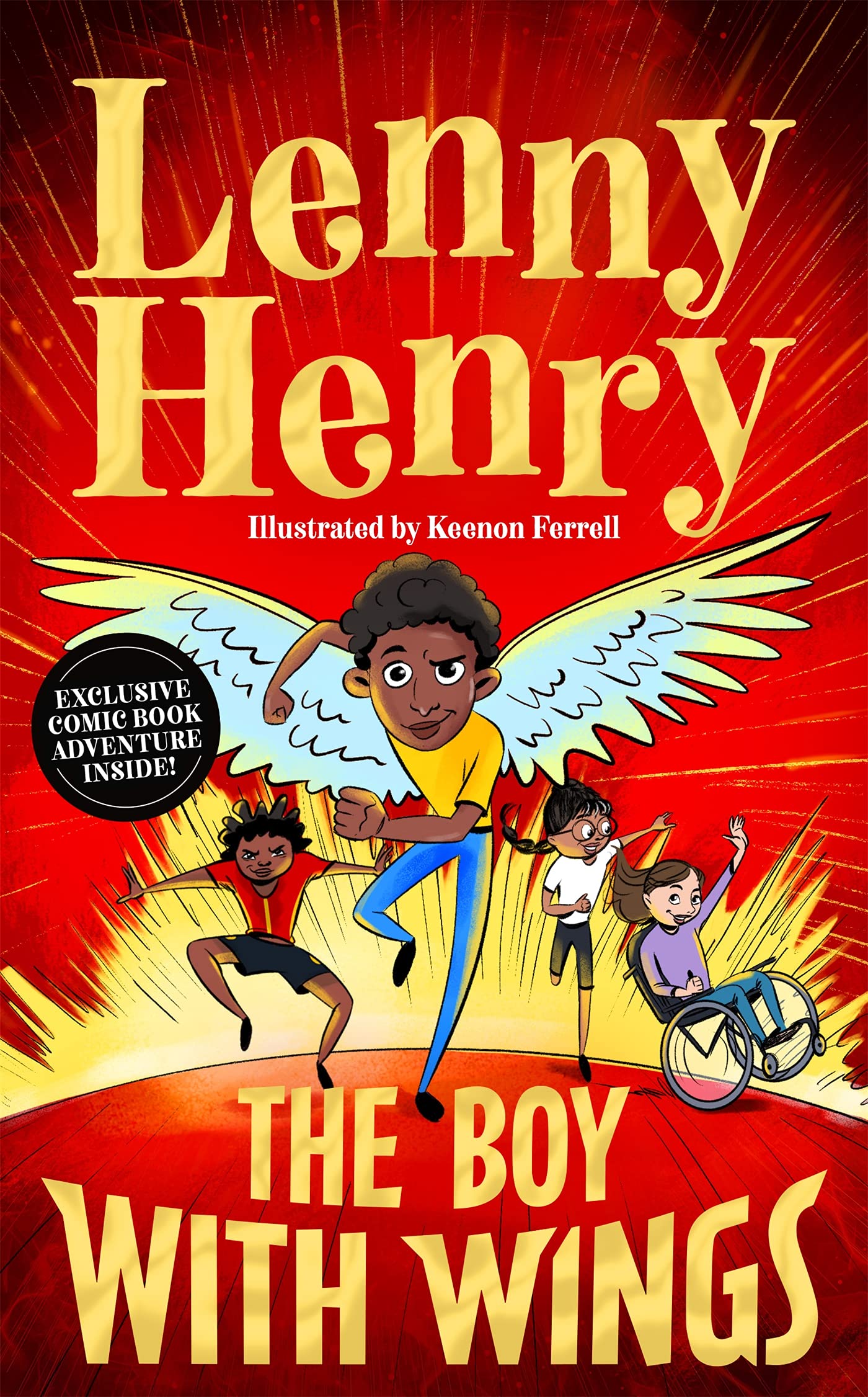 Tunde has always felt a little out of place in his primarily white school district. While his Black adoptive parents Ron and Ruth have been nothing but loving and kind, it’s hard being the beaky-nosed Black nerd who’s an easy butt of jokes, especially from school bully Quinn. It doesn’t help that Ron and Ruth have barred him from sports, and would stop him from doing any physical activity more strenuous than walking if they could possibly help it. They claim that he doesn’t have the physique for it, and since they’re both scientists at the nearby Facility, he doesn’t have a lot of basis from which to argue back.
At least he has friends! Jiah is even nerdier than he is, and Kylie is often spouting advice cribbed from her relationship counselor mother. While Tunde loves them both, he’s really relieved when he also makes friends with new kid Nev. It’s a little embarrassing for a twelve-year old boy to only have friends who are girls, so when he hits it off with cool, athletic Nev, it feels like he’s finally finding his people.
A disastrous birthday party, however, persuades him that he needs to spread his metaphorical wings, especially when it comes to standing up to Quinn. At first, this only means taking part in his school’s Sports Day. His stellar performance there, however, soon has him joining Nev, Quinn and cool new girl Dembe on the school soccer team. Despite Quinn’s bullying, everything seems to be going great… until something unimaginable happens at their very first competitive match.

 Al Singh
 Doug Merrill
 Doreen Sheridan
 Emily Lauer
 John Pitzel
 Lars N. Goldschlager
 Laura Eilers
 Professor X
 Robert Maedgen
 Sylvere Ap Leanan
 The Shire