 OMG, Idk why I assumed this would be based on Asian mythology. That one’s on me, lol.
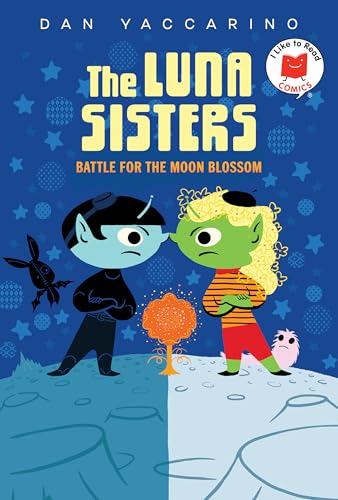
The Luna sisters are actually extraterrestrial and live on the moon. The house they live in is perfectly divided between the Bright and Dark sides. Lucy stays on the Bright side, whereas Nera prefers to stick to the Dark. While the sisters have similar interests, they tend to go about them in very different ways. When it comes to flying, for example, Lucy creates fanciful fairy wings with fantasy magic while Nera builds a jetpack with science fiction.
One day, both sisters spot an intriguing flower growing right on the border between Bright and Dark. Both covet the plant, and neither wants to share. This sets them on an epic battle for control… until they discover an even bigger threat to them both.
This is a super cute graphic novel about sibling rivalry that will speak to anyone who’s ever wondered how they could possibly belong to the same family as some weirdo (never mind that they probably don’t have the monopoly on normal to begin with.) Lucy and Nera are such opposites in everything except goals, so it’s nice to see them learn how to put aside their differences in order to work together to achieve those. It’s a terrific lesson for young readers, told with an engaging fantasy vs sci-fi twist.
 Al Singh
 Doug Merrill
 Doreen Sheridan
 Emily Lauer
 John Pitzel
 Lars N. Goldschlager
 Laura Eilers
 Professor X
 Robert Maedgen
 Sylvere Ap Leanan
 The Shire