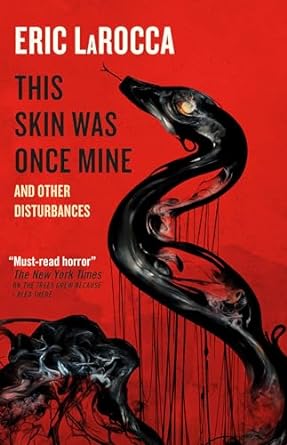
This Skin Was Once Mine and other disturbances by Eric LaRocca

I have recently remarked on how my reading brain seems to have pivoted away from classic/cozy murder mysteries to punchy short horror stories as a sort of mental palate cleanser between books, likely due to the shift of my literary consumption to a minimum of three mystery novels per week. So Eric LaRocca’s This Skin Was Once Mine came at the perfect time to help my brain reset, especially with the nip of fall entering the air as spooky season slinks into view.

First, I have to say how deeply grateful I am to the way this book is written. A collection of four stories of varying lengths, they almost all go by as smoothly and ominously as the serpent on the cover. Slick, absorbing page-turners with vivid imagery and weirdly recognizable — if sometimes more alluded to than spoken — emotions, these are bracing tales of madness and murder told in such a way that they seem outside the realm of the natural… even tho any student of the human condition knows that people can be exactly as damaged and depraved and awful as the characters that inhabit these pages.

The title story, which opens the book, is the strongest of the bunch, in my opinion. I was actually startled to realize how the stories are essentially ordered from my favorite to least. TSWOM tells the tale of Jillian, a young woman finally allowed to return home after the death of her father. Her exile has been unhappy, and one she blames entirely on her mother, who is now dying herself. But her homecoming unearths more than one secret, as she confronts the woman she believed sent her away out of hatred and fear.
Continue reading

Permanent link to this article: https://www.thefrumiousconsortium.net/2025/09/08/this-skin-was-once-mine-and-other-disturbances-by-eric-larocca/

Cetaganda by Lois McMaster Bujold

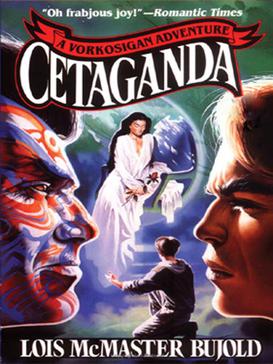
In Cetaganda Miles Vorkosigan, who is all of 22 years old, is sent to represent his home world of Barrayar at the funeral of the Cetagandan Dowager Empress. Accompanying him is his cousin Ivan Vorpatril, who is not much older. Cetaganda possesses a sprawling empire, by the terms of the Vorkosigan series, “eight developed planets and an equal fringe of allied and puppet dependencies.” (3) In fact, Barrayar had been one of those Cetagandan dependencies with the time of occupation and the successful rebellion both well within living memory. With that in mind, I found it odd from the beginning that Barrayar would send such a young and inexperienced emissary to a crucial state function for one of its chief adversaries. When Soviet premiers started dropping off one after another, US President Reagan did not send his son Ron as a representative (even though he was older than Miles is in Cetaganda); he sent his Vice President. Sure, Barrayar is a feudal monarchy rather than a republic but I had difficulty believing that Miles’ high birth would outweigh state needs.

Cetaganda by Lois McMaster Bujold

Of course Cetaganda is not a novel of the Barrayaran bureaucracy, it’s a novel in the career of Miles Vorkosigan. Going by the series’ internal chronology and counting from Miles’ birth, it’s the sixth novel or novella; going by publication order it’s the twelfth work in the saga, so there is a disconnect between what readers know about the overall story and what the characters themselves know. Bujold is filling in past bits of the saga, and that determines certain aspects of the set-up. Getting to the story at all requires overlooking, or at least accepting, any improbabilities that entails. (Beyond the impossibilities of any interstellar space opera, of course.)

The story itself is a fun one. When Miles was last on Barrayar, State Security Chief Ilyan admonished him to stay out of trouble, but that’s certainly not going to happen. In fact, trouble finds him. No sooner has the door of the docking pod that Miles and Ivan are taking to the Cetagandan orbital station opened than someone swings in and attacks the both of them. An older man in a generic uniform surprises the two young Barrayarans, who had been expecting a more diplomatic reception. They fend him off but he escapes. In the confused aftermath, Miles finds that the attacker has left behind some kind of rod and puts it away in an inner pocket of his uniform. Ivan does the same with a weapon the attacker also left. Soon redirected to a different docking bay, the two cousins agree not to say anything about the attack unless the Cetagandans ask them.

Continue reading

Permanent link to this article: https://www.thefrumiousconsortium.net/2025/09/07/cetaganda-by-lois-mcmaster-bujold/

Portrait with Keys by Ivan Vladislavić

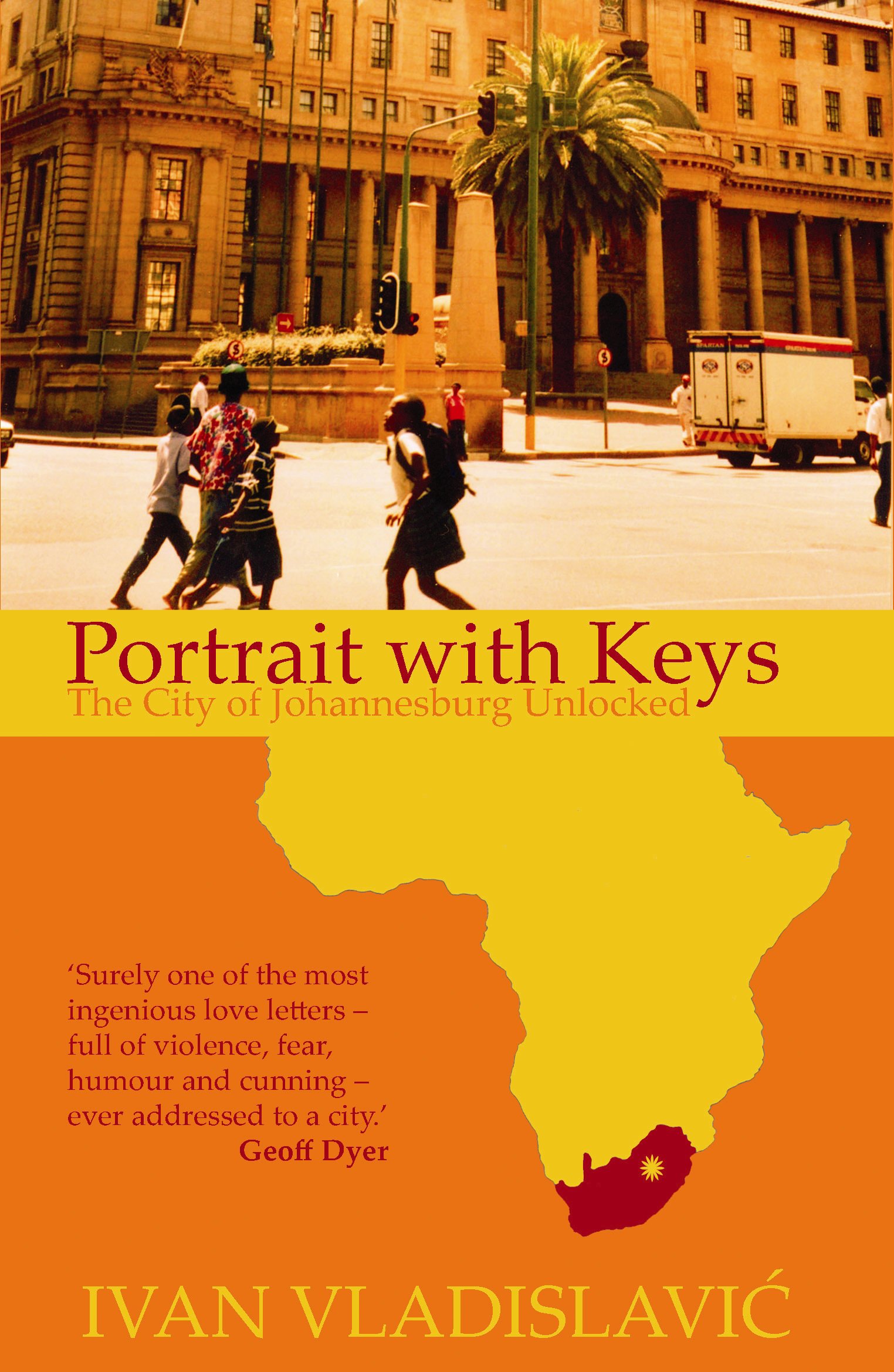
Ivan Vladislavić paints his Portrait with Keys: The City of Johannesburg Unlocked in a pointillist style, dividing up not quite 200 pages of main text into 138 anecdotes and observations, each of which shows some aspect of his life in the city in the late 1990s and early 2000s. The sections are numbered, enabling the structural innovation that Vladislavić alludes to in his title. After the main text and some brief notes, Vladislavić has added a list of itineraries through the book and, by implication, through the city. He explains, “This index traces the order of the previously published cycles [of anecdotes] and suggests some other thematic pathways through the book.” (195) Just as there are many routes to discovering a city, there are many ways through the book other than the author’s initial arrangement, and each one lends a different emphasis and tone to the book.

Portrait with Keys by Ivan Vladislavić

The itineraries come in different lengths, and none of them encompass the whole book, just as one afternoon’s walk cannot encompass one person’s experience of living in a city, let alone the full character of the place. Still, they’re interesting ways to consider what Vladislavić has shown of Johannesburg. The first one, “An accidental island,” lends its name to the German translation where I first encountered the book as part of the Süddeutsche Zeitung‘s metropolitan series. (The German title is Johannesburg. Insel aus Zufall and the edition I have lists the English title as Portrait with Keys: Joburg & what-what, which I think is more interesting than the current English title, but it’s probably less marketable.) Other itineraries include “Branko” (the author’s brother), the obvious “City centre” and “Memorials,” the more enigmatic “Object lessons” and “Trade secrets,” “Old lives” and the corresponding “Young lives,” and a couple dozen more.

Continue reading

Permanent link to this article: https://www.thefrumiousconsortium.net/2025/09/06/portrait-with-keys-by-ivan-vladislavic/

Tantalizing Tales — September 2025 — Part One

Happy September, friends! I’m ngl, I enjoyed summer, tho I’m certainly glad that my kids have gone back to school so I can have some peace and quiet around the house again. The difference has been, like the title of our first selection this month, Night & Day (lol, sorry, couldn’t resist.)

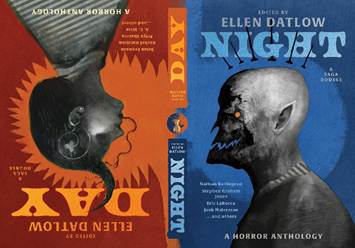
Acclaimed horror editor Ellen Datlow is back with a new anthology that features a delightful tete-bouche twist, as part of the Saga Doubles series! On one side of the book, you have Night — Dreadful Dark: Tales of Nighttime Horror, featuring stories about the things that haunt the darkness. On the other, you have Day — Merciless Sun: Tales of Daylight Horror, where the stories dwell on the terrors that exist in the light of day.

Each side features nine stories from writers like Pat Cadigan, Stephen Graham Jones, Eric LaRocca, Josh Malerman, Benjamin Percy and Priya Sharma (all of whom have written things I love!) I’m definitely in the mood for more short, readable horror stories as the weather cools and the sunlight wanes, so I can’t wait for the opportunity to dive into what’s sure to be an exciting, satisfying collection!

Continue reading

Permanent link to this article: https://www.thefrumiousconsortium.net/2025/09/05/tantalizing-tales-september-2025-part-one/

A Drop Of Corruption by Robert Jackson Bennett

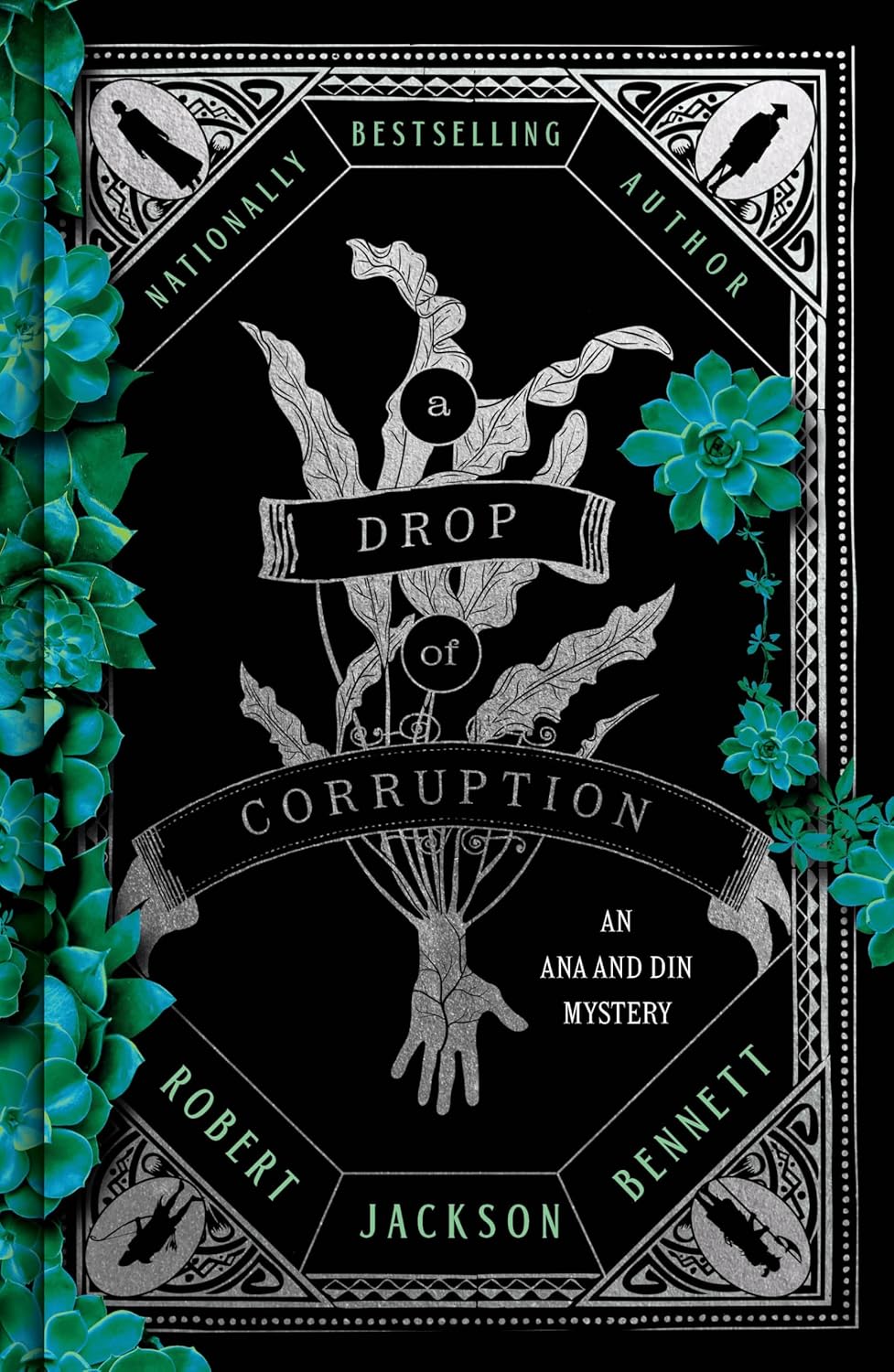
How serendipitous that I could finally dive into this right as the preceding book in the Shadow Of The Leviathan series (also an Ana And Din mystery) deservedly won the 2025 Hugo for Best Novel!

I’d venture to say that A Drop of Corruption is even better than The Tainted Cup, and not just because of the excellent, blistering afterword Robert Jackson Bennett includes here. It’s always good to read when genre authors are using their writing less for escapism and more as a way to grapple with the realities of our present-day. It’s even better when they argue against those seeking to use genre as a way to reframe bad concepts into palatable ideals. Let me tell you, when RJB gets mad in his afterword, he gets Big Mad, and rightfully so.

The story itself continues in the strange and magnificent world of the Khanum Empire, a realm beset by the Leviathans that come in from the sea every wet season and threaten to destroy everything in their path. They do not, however, come so far north as here to Yarrowdale, one of the Empire’s vassal kingdoms. The waters here are so safe that the Empire has built one of its greatest research facilities in the harbor, to the benefit of both Imperials and natives.

When a Treasury officer disappears from an unreachable locked room, leaving copious amounts of blood behind him, Imperial Investigator Ana Dolabra is sent to investigate. As is her wont, she sends her assistant Dinius Kol ahead of her to collect evidence and pave the way, so she can seclude herself in her eventual lodgings and digest the information he faithfully brings to her in his capacity as an Engraver, one of those people specially enhanced by the Empire’s research to remember everything they see.

Continue reading

Permanent link to this article: https://www.thefrumiousconsortium.net/2025/09/04/a-drop-of-corruption-by-robert-jackson-bennett/

The Gift Of Animals by Alison Hawthorne Deming

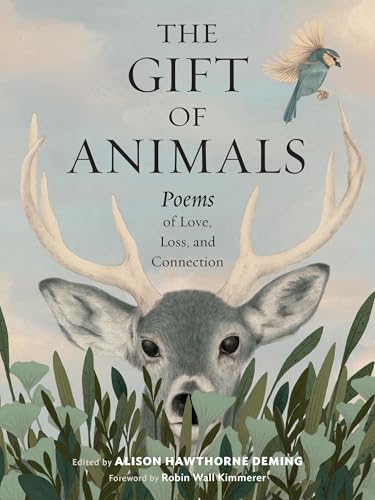
subtitled Poems of Love, Loss, and Connection. Truly an interesting, holistic take on how humanity’s relationships to animals speak to our own existence as individuals.

Divided into seven parts — Praise; Lament; Companionship; Fear And Vulnerability; The Least Among Us; The Sacred, and The Future Of Animals — each section begins with an ancient text that links the theme with our perception of the animal world, grounding this contemporary examination in traditions of the past. The Hymns To Inana that open the FaV section, as well as The Flight Of Quetzalcoatl that open Lament, are both strong pieces from the distant past that evoke animals in their descriptions of their deities. A more recent, if still written and set in the 18th century, poem provides another throughline, being mentioned well ahead of its inclusion in the Companionship section. Christopher Smart’s celebrated Jubilate Agno is excerpted here, to remind readers how people have long esteemed their animal companions. Pieces by Emily Dickinson and Gerard Manley Hopkins are also included, but by far the bulk of the book is written by poets still practicing in the 21st century.

This makes for a refreshingly unprecious collection of poems. Kelly Grace Thomas’ Koalas slyly pokes fun at our modern-day obsessions even as she links them unerringly to that restless human need to be loved. Michael Collier’s Boars Gleaning Through Cities At Night puts the hidebound past in its place as it embraces a wild and wonderful present. Similarly, Craig Santos Perez’ A Sonnet At The Edge Of The Reef revels in the beauty of the seabed even as it worries about how we’re preparing our own children for an uncertain future.

Continue reading

Permanent link to this article: https://www.thefrumiousconsortium.net/2025/09/03/the-gift-of-animals-by-alison-hawthorne-deming/

Hurricane Heist by James Ponti

These covers always confuse me a little. I want to say The Sherlock Society: Hurricane Heist every time I see one — and I get that this is the best way to market any series novel aimed specifically at children — but the fact that the series name is so large in comparison with the actual title always throws me off. It even keeps me from fully appreciating how terrific the art is on the cover, which is a pity since Yaoyao Ma Van As captures the vibe of this Florida-set mystery perfectly.

And that’s pretty much the only complaint I have about this entertaining book, the second in James Ponti’s latest mystery-adventure series for children. Written as an homage to his Florida home, this latest installment follows Alex, Zoe, Yadi and Lina as they prepare for Hurricane Clyde… and work to solve a decades-old mystery uncovered in its aftermath.

Alex is feeling a little bummed that summer is coming to a close and his Sherlock Society has only solved one case, to little acclaim. But Al Capone’s millions are still hidden somewhere in the state, and maybe he and the gang can find the money before Hurricane Clyde hits. Lina, having recently moved to Florida from Wisconsin, is especially nervous about the incoming storm, as everyone prepares to ride it out.

Fortunately, the Sherlock Society and their loved ones get through the bad weather relatively unscathed. The same can’t be said for the glamorous Moroccan Hotel. Part of the pool construction crumbles, revealing a body that’s been buried there for over sixty years, ever since the night Hurricane Cleo made landfall. Alex’s grandpa Peter knows this because he was there that day, as an eleven year-old delivering last minute supplies with his dad, who owned a hardware store. He didn’t see the murder or the body but he’s pretty sure he knows who it is, as the case has been troubling him ever since he learned about it.

Continue reading

Permanent link to this article: https://www.thefrumiousconsortium.net/2025/09/02/hurricane-heist-by-james-ponti/

Translation State by Ann Leckie

I never did finish writing my review of Ancillary Mercy, the final book of Ann Leckie‘s Imperial Raadch trilogy, but here is part of its beginning:

Translation State by Ann Leckie

Presger Translator Zeiat may be my favorite character in science fiction from 2015. I’ll have to think about it a little while more to be sure, but she is so vividly hilarious that off the top of my head, I’m having a tough time recalling a science fictional character who has brought me more delight. The characters around Zeiat, however, more likely find her unnerving because she could cause all of them to be destroyed without any great effort on her part; indeed, she might do it without even properly noticing that she had. A bit like a porcelain teacup full of nitroglycerin, being carried around by a rambunctious puppy.
In the universe that Ann Leckie has written about in Ancillary Mercy (and, of course, in its predecessors Ancillary Sword and Ancilary Justice), the Presger are immensely powerful aliens who caused great destruction in human space before that misunderstanding was cleared up by treaty, some 20 years before the action of the novels. The Translators mediate between the humans and the Presger; they look human, but they are clearly not, and their thought processes are unnervingly alien.

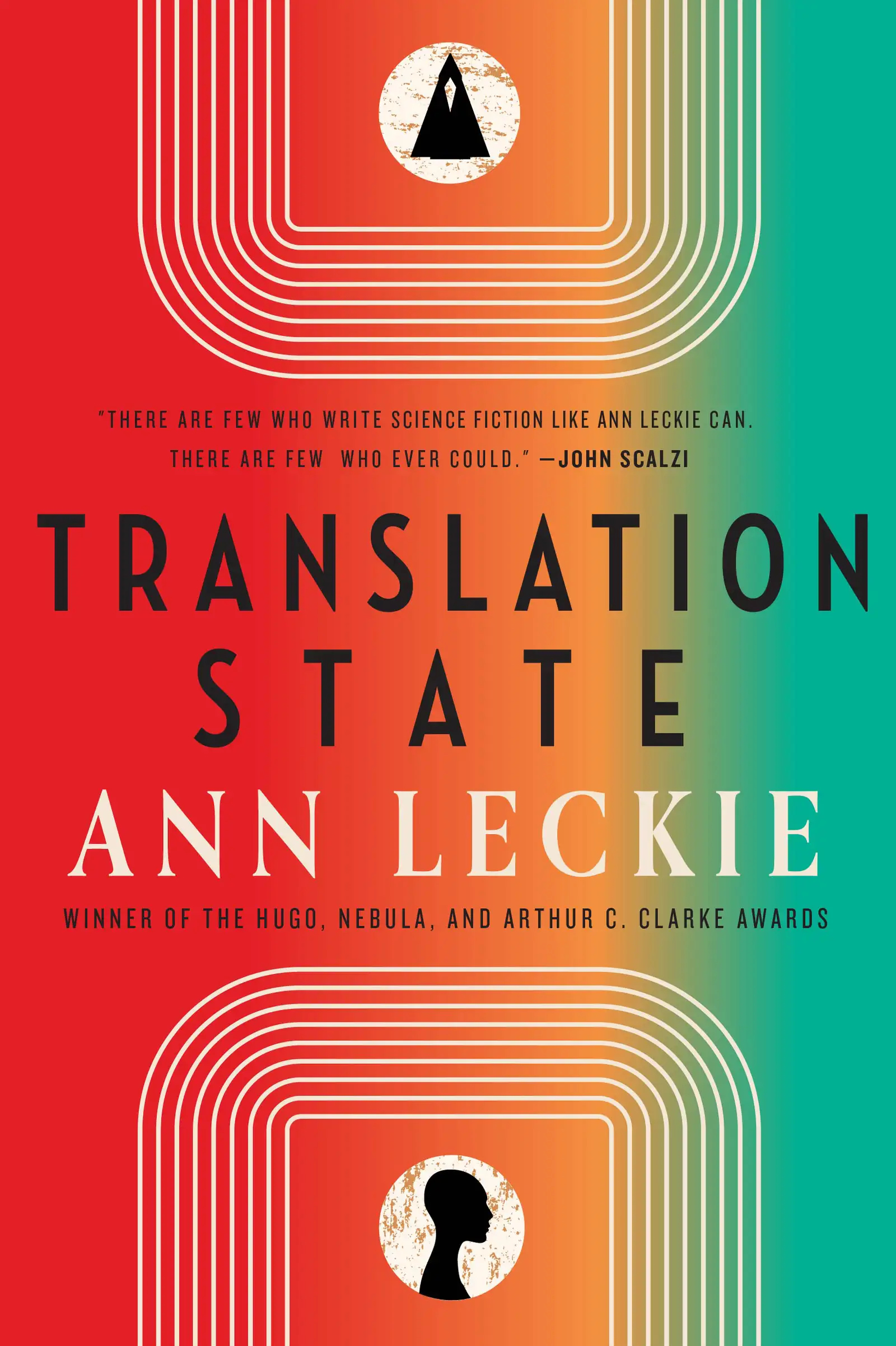
Not quite a decade later, Leckie returned to that universe with Translation State, although to a part of it far from the Raadch. (Her 2017 novel Provenance, which I have not read, is also set in the same universe.) While the title implies that the Translators will play a role, and the text on the book’s back cover confirms it, Leckie starts the novel from the point of view of a human named Enae. Sie uses sie/hir pronouns and has been caretaker to hir grandmother for many years. The grandmother was the fantastically wealthy matriarch of an old and prominent family; she was also both tyrannical and petty. The extended family pretended to revere her, in hopes of inheriting. She saw through it, of course, and surprised them all by cutting them out of the will. Even more surprising was that she had long since squandered the family fortune, and had been propped up in her later years by a rich parvenu, whom she had secretly adopted as heir. The arriviste got the house and the name, which she wanted; grandmother never had to let go of the style to which she had become accustomed; the extended family got to find out about the joke, which they somehow failed to find amusing.

Continue reading

Permanent link to this article: https://www.thefrumiousconsortium.net/2025/09/01/translation-state-by-ann-leckie/

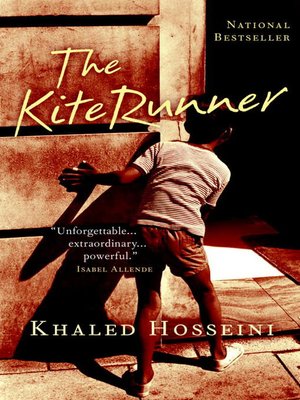
The Kite Runner by Khaled Hosseini

The first two pages of The Kite Runner establish that as a child in Kabul in 1975, the first-person narrator witnessed or did something life-changing, something that so indelibly marked him that he carried it into the novel’s present day, which is December 2001. The summer of that year the narrator, who is living in San Francisco, received a call from a friend in Pakistan. “I knew it wasn’t just Rahim Khan on the line. It was my past of unatoned sins.” (p. 1) The friend offers him “a way to be good again.” (p. 2) Without any further explanation, the second chapter takes readers back to the narrator’s childhood.

The Kite Runner by Khaled Hosseini

Hosseini sets up the first part of the novel with that introduction and jump. What did the narrator, whose name is Amir, do that was so bad? What happened to mark him for decades? What would it take for him to atone? This kind of very short framing, with most of the story happening in flashback, can be effective, and Hosseini’s version sets the stakes and stokes a reader’s curiosity. But it’s also a technique that gets used a lot: the protagonist is in a mess, now the author will take some time telling readers how they got there. For me, the approach has lost effectiveness with repetition, and I am beginning to think that authors use it because they want to grab readers quickly, as if they think a straightforward telling of the tale would not be interesting enough to hold the reader’s attention. In The Kite Runner, it’s also a sign that the author is going to lean very heavily on melodrama.

Continue reading

Permanent link to this article: https://www.thefrumiousconsortium.net/2025/08/30/the-kite-runner-by-khaled-hosseini/

Tantalizing Tales — August 2025 — Part Five

A Tantalizing Tales Part Five, dear readers! That’s a first for us over here at The Frumious Consortium, but oh what delicious books we have in store for you this week, covering tomes just published and those about to come!

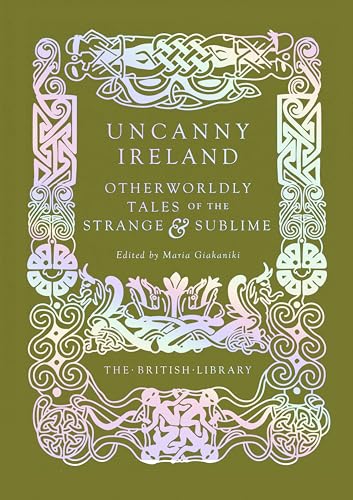
First is my personal favorite of the bunch — and the one I’m hoping to love enough to get a copy of for my favorite redhead, in part to repay him for the invaluable help he gave me in training for Jeopardy! — Uncanny Ireland edited by Maria Giakaniki. Subtitled Otherworldly Tales of the Strange And Sublime, this fourth volume in the British Library’s gorgeously bound Gilded Nightmares series is a fascinating compilation of twenty short pieces from the past two centuries. The contents range from accounts of weird folklore and rare reimagined myths, to classic ghost stories and modern spectral chillers from the likes of Irish literary giants like Sheridan Le Fanu, Elizabeth Bowen, W. B. Yeats, Dorothy Macardle and more.

With the weather slowly but surely getting chillier in my neck of the woods, this is the perfect book with which to welcome in autumn and the start of spooky season! Also, that gorgeous cover with its metallic accents has to be seen to be truly believed!

Continue reading

Permanent link to this article: https://www.thefrumiousconsortium.net/2025/08/29/tantalizing-tales-august-2025-part-five/