
I read Between the World and Me a lifetime ago, in early summer when it was strange to leave the neighborhood again after so many weeks of stillness. It is a hard book, not because of the difficulty of language or of its concepts, but because of the hardness of its subject: how to live and be Black in America. It is hard because of the unflinching clarity of thought that Coates brings to his question. Clear writing comes from clear thinking, and Coates’ writing is very clear indeed.
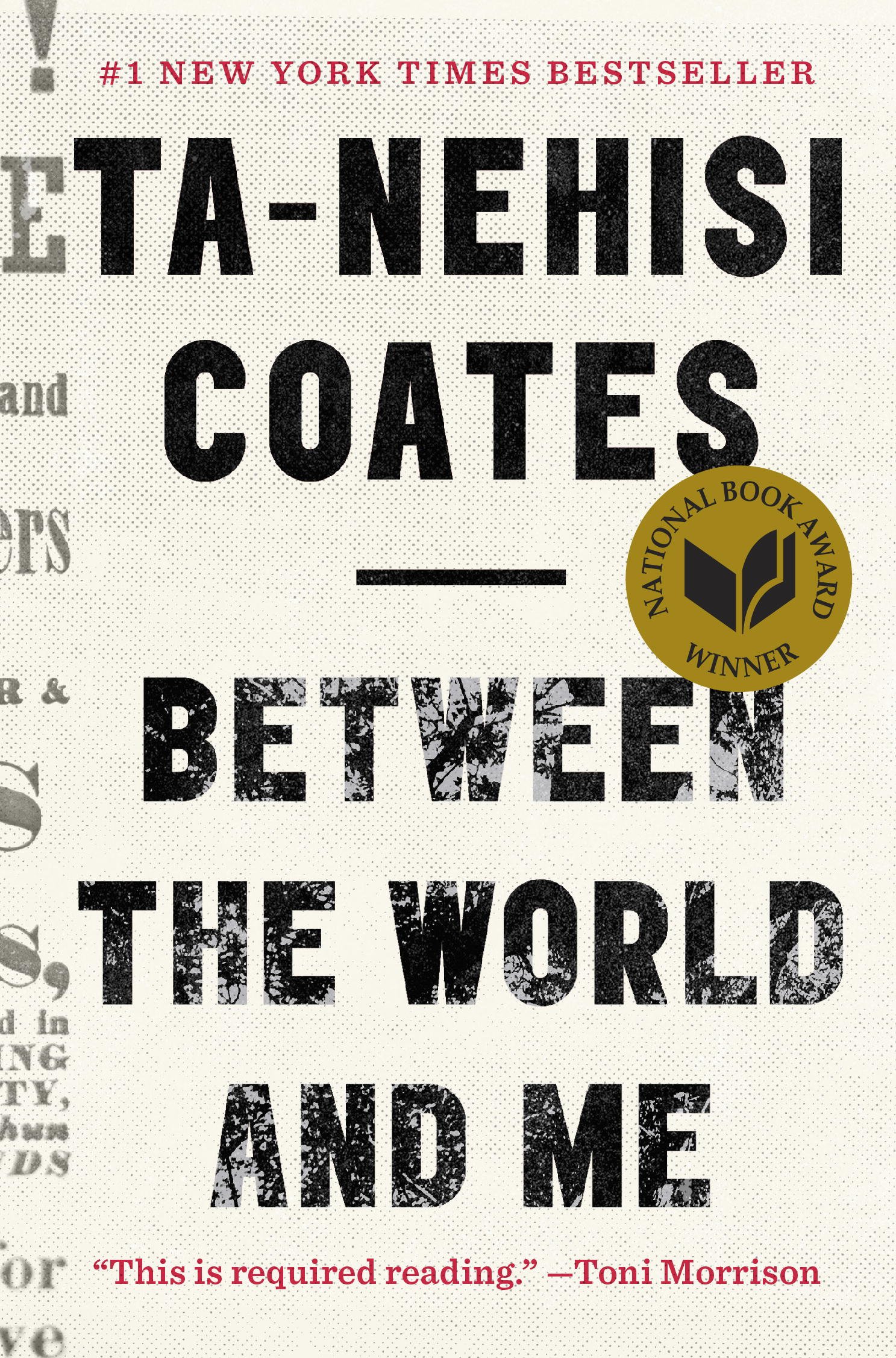
Drawing on James Baldwin’s 1962 “Letter to My Nephew,” Coates structures Between the World and Me” as a letter to his son:
I write to you in your fifteenth year. I am writing you because this was the year you saw Eric Garner choked to death for selling cigarettes; because you know now that Renisha McBride was shot for seeking help, that John Crawford was shot down for browsing in a department store. And you have seen men in uniform drive by and murder Tamir Rice, a twelve-year-old child whom they were oath-bound to protect. And you have seen men in the same uniform pummel Marlene Pinnock, someone’s grandmother, on the side of the road. And you know now, if you did not before, that the police departments of your country have been endowed with the authority to destroy your body. It does not matter if the destruction is the result of an unfortunate overreaction. It does not matter if it originates in a misunderstanding. It does not matter if the destruction springs from a foolish policy. Sell cigarettes without the proper authority and your body can be destroyed. Resent the people trying to entrap your body and it can be destroyed. Turn into a dark stairwell and your body can be destroyed. The destroyers will rarely be held accountable. Mostly they will receive pensions. And destruction is merely the superlative form of a dominion whose prerogatives include friskings, detainings, beatings, and humiliations. All of this is common to black people. And all of this is old for black people. No one is held accountable. (p. 9)
Many names, too many names, have been added to the list since the book was published in 2015. This summer, after a policeman named Derek Chauvin killed a Black man named George Floyd by kneeling on Floyd’s neck for more than nine minutes while other police officers looked on, a large wave of protests pressed for change. Will there be change? If so, how much? No one knows, and in the meantime, Coates, his son, and millions of Americans have to live with Coates’ question every waking moment.
I tell you now that the question of how one should live within a black body, within a country lost in the Dream [of white American innocence], is the question of my life, and the pursuit of this question, I have found, ultimately answers itself. (p. 12)





 Al Singh
 Doug Merrill
 Doreen Sheridan
 Emily Lauer
 John Pitzel
 Lars N. Goldschlager
 Laura Eilers
 Professor X
 Robert Maedgen
 Sylvere Ap Leanan
 The Shire