 Q: Every book has its own story about how it came to be conceived and written as it did. How did The Arrival Of Missives evolve?
A: It started with the voice of my main character, Shirley, and grew entirely from there. I loved her straight away; she’s a teenager who is both naïve and confident, determined and doubtful, and she has all sorts of emotions rolled up together. So I tried to capture that first and as the voice grew I realised she wasn’t living in contemporary times. I placed her in 1920, in a village in Somerset, UK, and the rest of the story unfolded from there. It was a scary journey because I’ve never written historical fiction before but as the story progressed I realised that I was still writing science fiction too. It was only a case of approaching it from a different perspective, which made it a really rewarding challenge.
Q: I loved how both stories in this volume exploded traditional science fiction’s patriarchal bent, and I want to give copies of this book to every sci-fi fan I know. Which led me to wonder whether you write with any particular audience in mind, and if there are any particular audiences you hope will connect with these stories?
A: I’m a really selfish writer. I write stories that I think I’d like, and then just hope that other people will agree! But I don’t write to reach a certain type of person so much as think that it would be great if it reaches anyone at all. And if it fails to do that: well, at least I enjoyed the ride. I’ve always enjoyed stories that really take me by surprise, so I try to find that in the writing process. I hope Missives does that.
Q: Despite the very different ways it was presented — in a straightforward fashion in TAoM but in a far more metatextual, one could even say satirical, mode with The Last Voyage Of The Smiling Henry — I was struck by the theme of social conditioning that ran through this book. Do you consider yourself at all a political author?
A: I suspect everything I write is political without examining it too closely. I don’t really think about it while I’m writing because I’m caught up in the voice, and where it takes me. Afterwards I can see that themes have emerged and when it was time to choose a story to accompany Missives for the US release then The Last Voyage of the Smiling Henry felt like the right choice because it shares themes with Shirley’s story, but those themes are presented in an entirely different way. They’re both about how we respond to what we consider to be the status quo, I think.
Q: You’ve stated elsewhere that Daphne du Maurier’s Rebecca is the first book you read that struck you with its inventiveness, and credit William Hope Hodgson with inspiration for TLVotSH. What other books and authors have made you think, “I have got to write something like this someday!” (and then possibly subvert it entirely!)
A: I think that all the time! Whenever I read something I enjoy I want to give it a whirl myself. But with the books that I’ve loved the most I sometimes feel as if I really wouldn’t want to even try to write something along similar lines. George Eliot’s Middlemarch scares me and inspires me in equal measure; imagine being able to write something so wonderful. And the novels of Iris Murdoch and Graham Greene are the places I go to when I don’t want to see the craft of writing at all but just get utterly lost in the magnificent prose.
I did find the courage to use DH Lawrence as my inspiration for certain key moments in Missives. I’ve loved Lawrence since first reading The Rainbow when I was sixteen (the same age as Shirley), and he was a huge influence on this book.
Q: How did you learn to write? Did you have a teacher who inspired you in the same way Mr Tiller initially inspired Shirley, though hopefully with less personal fallout?
A: I took a module in Creative Writing at University that absolutely captivated me, and from that point on I knew I wanted to be a writer. The strength of my feelings about it really took me by surprise, so I suppose you could say my crush was on the subject rather than the teacher! But my teacher for that module was amazing, and he has continued to be supportive since those university days. We keep in touch and I send him my books; I thanked him in the acknowledgements for Missives, along with other teachers I know and admire.
Q: Do you adhere to any particular writing regimen?
A: I try to write every day but some days are easier than others! I write my first drafts in longhand and it’s the process of typing up those handwritten sentences (some more legible than others) that really brings the book to life.
Q: Are you a pantser (someone who writes by the seat of their pants) or a plotter?
A: Absolutely a pantser, although that’s the first time I’ve ever come across that description for it. It’s all about finding the voice and the character for me, and then I let them take me wherever they want to go. Usually I have a few key moments in my mind, but that’s about it, and I never know the ending.
Q: What are you reading at the moment?
A: I mentioned Iris Murdoch earlier; I’m reading The Time of the Angels, which is dark and creepy and magnificent.
Q: Are there any new books or authors in speculative fiction that have you excited?
A: I’ve just finished Tade Thompson’s Rosewater – I’m hugely enjoying that mixture of big ideas, science fiction, and noir. And there’s a collection of ecologically-minded speculative fiction short stories called Lost Objects by Marian Womack that had me spellbound. Both of those books feel like they’re engaging with our rapidly changing future rather than recycling existing ideas.
Q; You’ve stated on your website that you tend to be drawn to writing about “the darker side of life.” How did this influence your choice of speculative fiction as your primary means of expression, after debuting in other genres?
A: I don’t think I ever consciously chose a genre, and that’s probably why my stories often use lots of different genre elements without really belonging to just one. I first wrote romantic novels and then crime for a while, but in all my books an element of weirdness, or speculative fiction, crept in and I think that’s probably because of my interest in darker themes. I’ve always been looking to explore the strangest elements and emotions of being human, whatever the genre.
Q: Is there any chance we’ll be able to look forward to reading Shirley Fearn’s continuing adventures? I, for one, really want to see what she does next.
A: I keep trying to picture what happens to Shirley next but my thoughts change on her future every single time, and considering the conclusion of the book that seems like a perfect outcome! I’ll just keep imagining all the adventures she might embark upon and maybe one day I’ll prefer one over all the others and I’ll write that one down.
Q: What can you tell us about your next project, Shirley-related or otherwise? And will you be reviving your Patreon project in the foreseeable future?
A: I’ve got a new book out in the UK this week; it’s called The Loosening Skin (published by Unsung Stories) and it’s a noir-tinged detective story that travels in unexpected directions. It will be published in the US by Titan Books in the near future. Titan will also be publishing a novel of mine called Skein Island, which involves archaeology and Greek myths. So there’s a lot going on right now! I’ve put my Patreon project (to write a strange short story every month) on hold for the time being but I’m hoping to get back to it at some point. What’s great is that The Last Voyage of the Smiling Henry grew from that Patreon project, as well as lots of other ideas that I’m still working on, so it’s been great in terms of finding new inspiration.
Q: Tell us why you love your book!
A: I love Shirley and her realisation that the world is so much bigger than her small village. She was a joy to write. She made me laugh but she also broke my heart a little bit. She brought back all those complicated feelings of growing up and realising that everything is not black and white, and people cannot be trusted, no matter how knowledgeable they seem to be. I hope readers love her too, and find a reminder of their own experiences in hers.
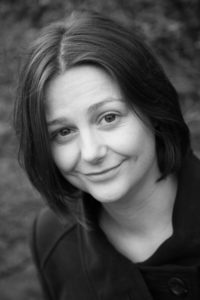
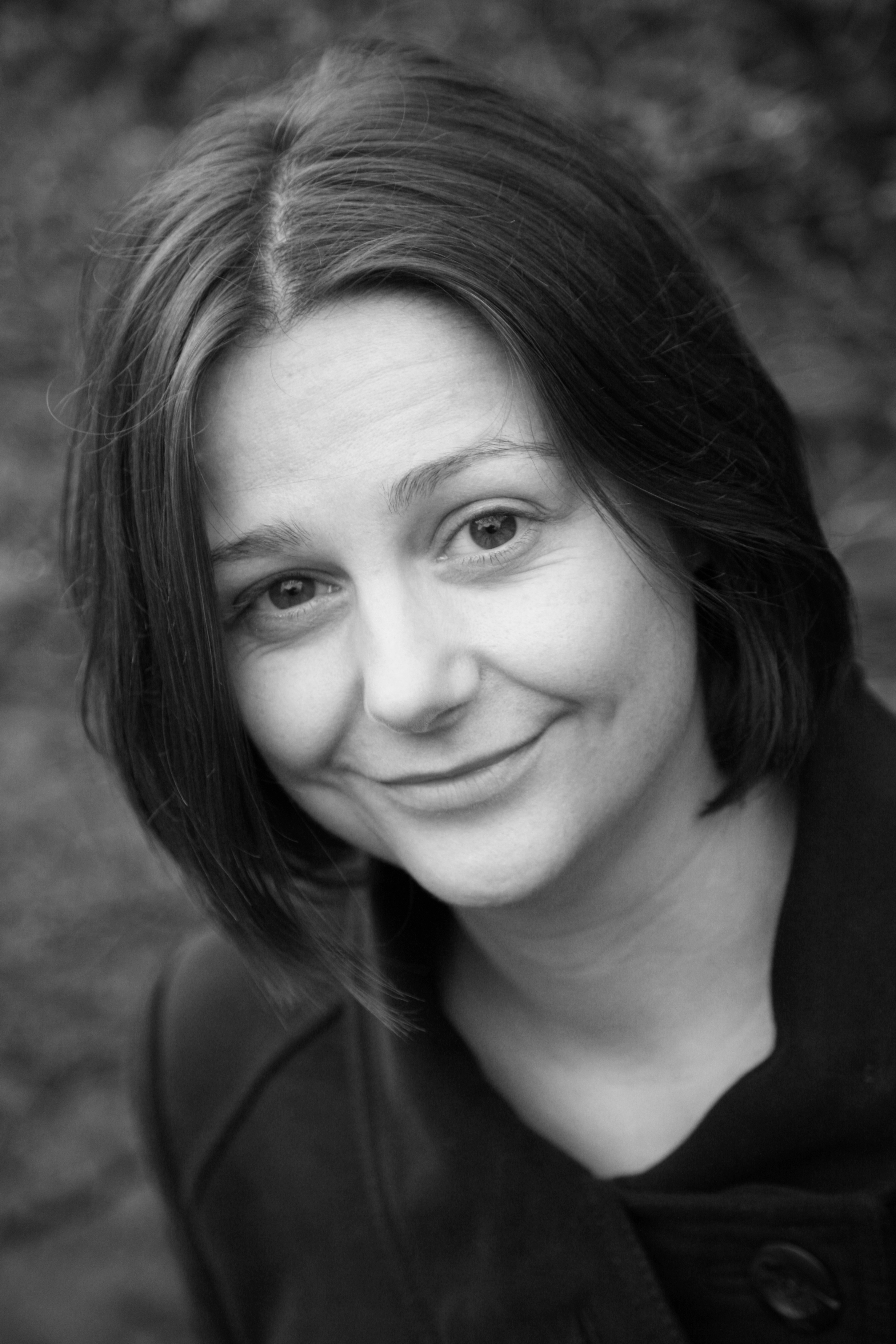
~~~
Author Links
Aliya Whiteley
Twitter
~~~
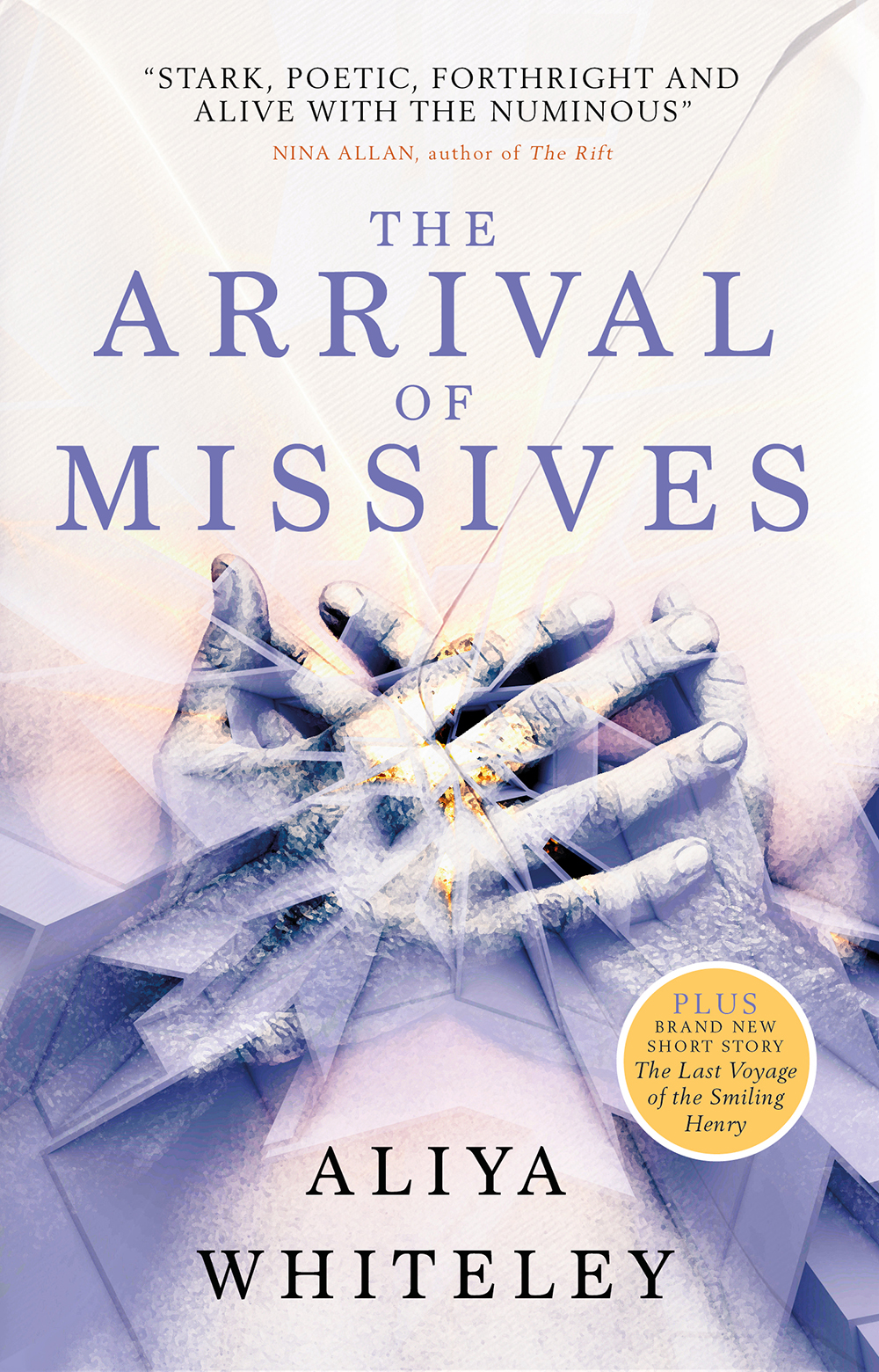
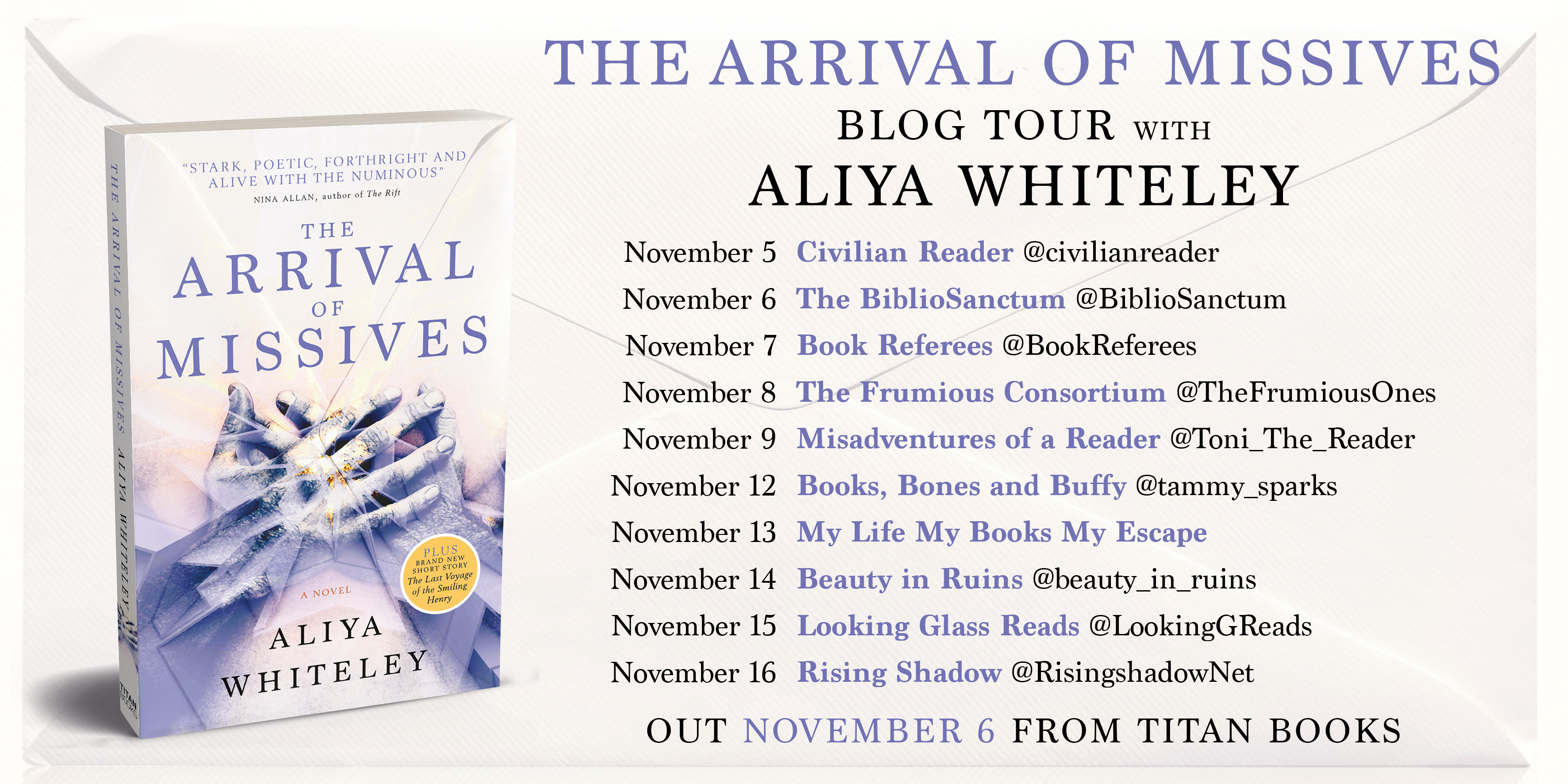
The Arrival Of Missives was published in the US on November 6th 2018 and may be found at all good booksellers. My review of the book itself may be found here.
 Al Singh
 Doug Merrill
 Doreen Sheridan
 Emily Lauer
 John Pitzel
 Lars N. Goldschlager
 Laura Eilers
 Professor X
 Robert Maedgen
 Sylvere Ap Leanan
 The Shire